Earth Systems Science
Underpinning a new understanding of what’s needed for a safe and just future.
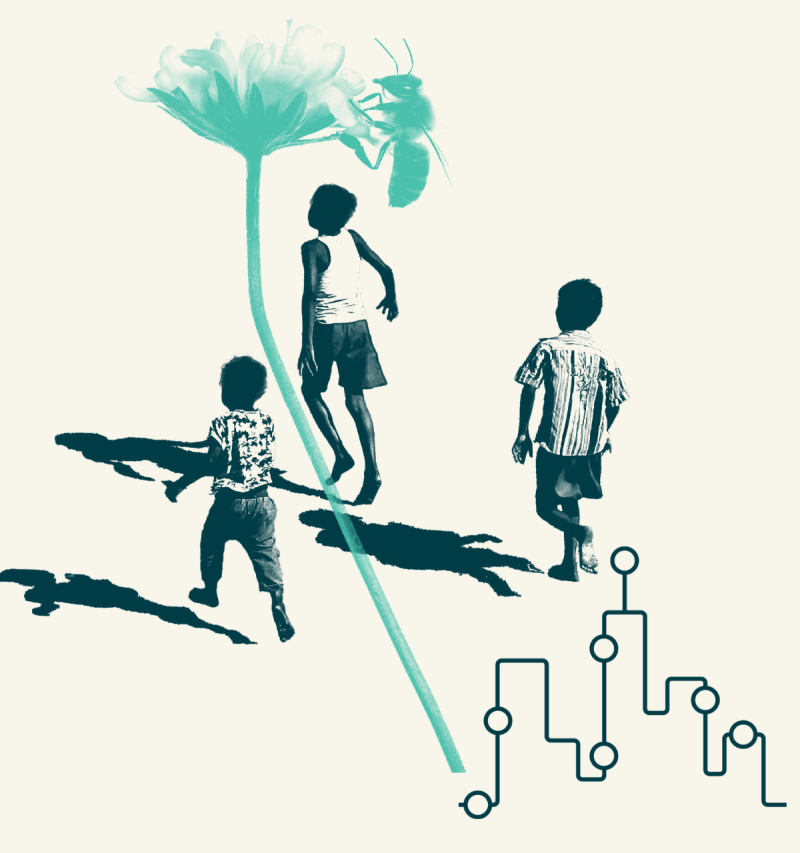
Whoever we are, wherever we are, we all share something in common: the interconnected natural systems that maintain a stable and resilient planet – and keep us alive. The global commons are our shared inheritance and our shared responsibility.
The Global Commons Alliance is mobilizing citizens, companies, cities and countries to accelerate systems change, and become better guardians of the global commons.
Underpinning a new understanding of what’s needed for a safe and just future.
With clarity on priorities for achieving a safe and just future.
Through increased capacity and activity of the accountability community.

Enabling them to contribute to staying within safe and just boundaries.

From the public, NGOs, the finance community and others, informed by up-to-date information.
Of GCA’s added value by road-testing all the above in a city and landscape.
News and insights from across the Alliance: from science to targets to systems mapping and beyond.
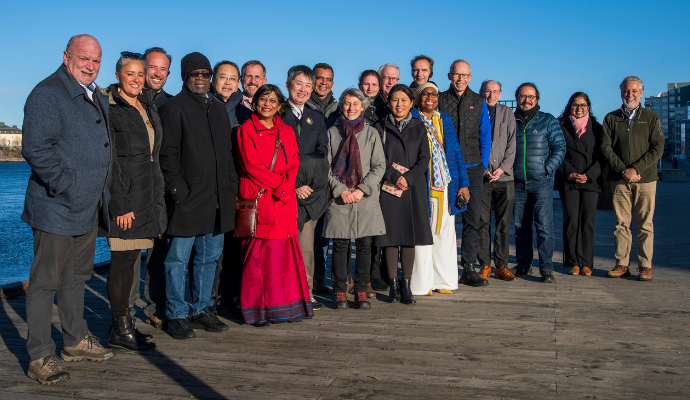
New cohort of experts embark on the Earth Commission's second scientific assessment.

A scientific underpinning for safeguarding the global commons for all people now and into the future.
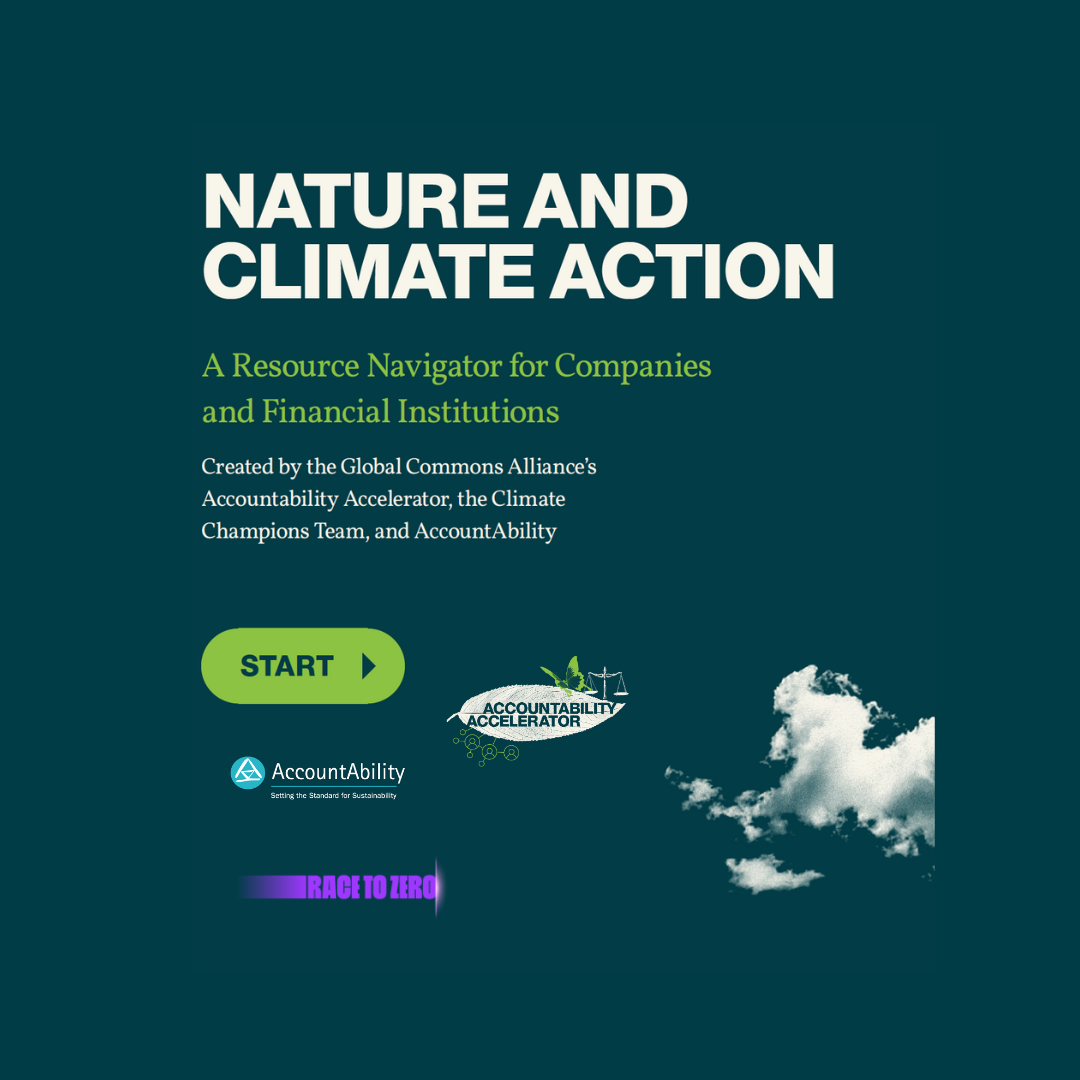
The Navigator brings vital rigor and clarity for organizations grappling with complex climate and nature priorities as they contribute to a more resilient and regenerative future.
If your company or financial institution wants to take action on nature but is not sure how to begin, learn more with SBTN.
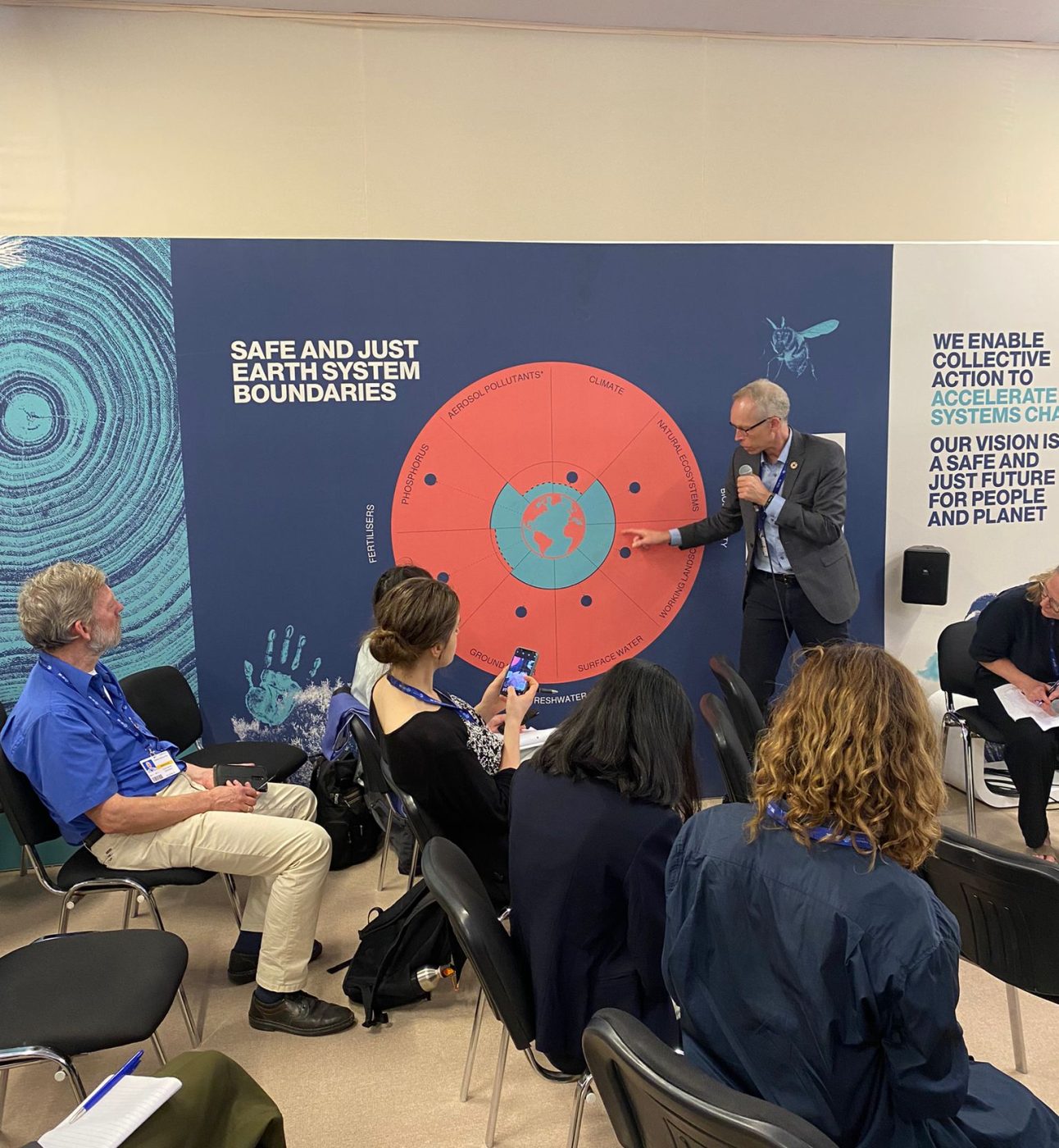
The Global Commons Alliance, many of our partners, and our core components attended COP28. We hosted a Global Commons Pavilion to provide space to collaborate for systems wide action to repair, regenerate and restore the global commons.

The Global Commons Alliance is taking part in the Planetary Health Summit 2024 (PHAM) and 6th Annual Meeting in Kuala Lumpur, Malaysia from 16-19 April. Join us as we drive collaboration between the health and environmental communities.
Read our Executive Director’s insights in our latest newsletter and find out more about what’s happening across the Alliance.
The Global Commons Alliance is an alliance of over 100 partners accelerating systems change to safeguard the global commons. Much of the work is delivered through a constellation of collaborative efforts hosted by the Earth Commission, Systems Change Lab, the Accountability Accelerator, the Science Based Targets Network and Earth HQ.
We work with a wide range of brilliant partners on collective action to safeguard the global commons. Here we highlight a small handful of those partners.
Rallying leadership and support for a healthy, resilient, zero carbon recovery.
Catalysing a step-change in global ambition for climate resilience.
Driving credible business action and policy ambition to achieve a nature-positive economy for all by 2030.
Raising the profile of nature as a solution for a more sustainable, equitable and nature-positive future.

Stay up to date with timely insights from our Executive Director, Jane Madgwick, and relevant updates on what’s going on across the Alliance.